

Navigating Dutch Gambling Legislation
The landscape of online gambling is subject to strict regulations in many jurisdictions, and the Netherlands is a prime example. Dutch legislation specifically governs the offering and promotion of gambling activities. Without the appropriate licensing from the relevant authorities, such operations are prohibited within the country, and while some players might seek alternatives, it is important to understand that Inbet kazino is not accessible due to these laws. This legal framework is designed to protect consumers and ensure fair play within the regulated gambling market.
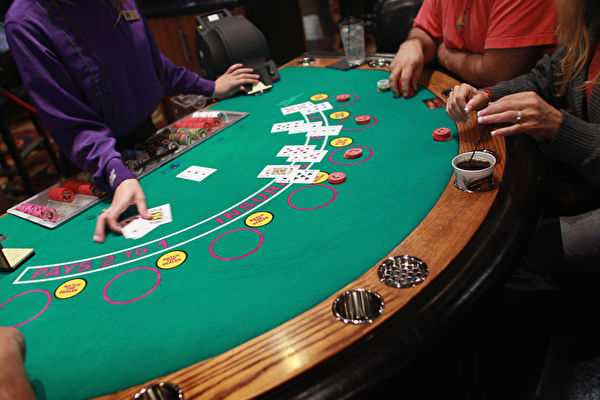
Understanding these regulations is paramount for any entity involved in the online gambling sphere. The Dutch government, through its regulatory bodies, enforces these laws to maintain order and safety. Consequently, platforms that do not adhere to these licensing requirements face restrictions, including being made unavailable to users within the Netherlands. This approach underscores the commitment to a controlled and lawful gambling environment.
Compliance and Access Restrictions
In line with Dutch gambling laws, websites that fail to secure the necessary licenses cannot legally offer their services to individuals residing in the Netherlands. This is not an arbitrary decision but a direct consequence of legislative prohibitions against unlicensed gambling. To ensure compliance, these platforms must actively restrict access for users within the country, thereby avoiding legal repercussions and upholding the integrity of the regulated market.
The objective behind these access limitations is to align with the Dutch legal framework. By preventing Dutch residents from accessing unlicensed gambling sites, the authorities aim to channel players towards legal and regulated alternatives where consumer protection measures are in place. This proactive stance is a key component of responsible gambling policy in the Netherlands.
The Role of the Kansspelautoriteit (Ksa)
For anyone seeking definitive information on the Dutch gambling laws and regulations, the official source is the Kansspelautoriteit, often abbreviated as the Ksa. This independent regulatory body is responsible for overseeing the Dutch gambling market, including the licensing, supervision, and enforcement of gambling laws. Their mandate is to ensure a safe and fair gambling environment for all participants.
The Ksa plays a crucial role in distinguishing between legal and illegal gambling operations within the Netherlands. Their guidelines and decisions shape the operational landscape for both operators and players. Consulting the Ksa’s official website provides comprehensive and up-to-date details on licensing requirements, prohibited activities, and consumer rights related to gambling in the Netherlands.
Strategic Play and Responsible Gambling
While navigating the complexities of regulated markets, responsible gambling practices remain essential. Strategic play in any form of gambling involves understanding the odds, managing bankroll effectively, and setting clear limits. It is about making informed decisions rather than relying purely on chance. This approach helps to enhance the entertainment value while mitigating potential risks associated with gambling.
Elite value in gambling is not solely about maximizing winnings, but also about maintaining control and enjoying the experience responsibly. This means being aware of personal limits, understanding when to stop, and never gambling with funds that are essential for daily living. Responsible operators emphasize these principles, often providing tools and resources to help players manage their gambling habits.

Understanding Site Availability under Dutch Law
The availability of online gambling platforms to users in the Netherlands is directly dictated by their compliance with Dutch gambling legislation. Websites that are not licensed by the Ksa are prohibited from operating within the country. This means that many international gambling sites are inaccessible to residents in the Netherlands, a measure designed to enforce the country’s legal framework and direct players to licensed operators.
This regulatory approach ensures that any gambling activities accessible to Dutch players are conducted under strict supervision, offering a higher degree of player protection. The focus is on creating a secure environment where licensed operators adhere to rigorous standards. For players within the Netherlands, understanding which platforms are legally permitted is key to engaging in gambling activities safely and legitimately.