
Blogging Still Makes Sense in 2026 – Here’s Why

Blogging Still Makes Sense in 2026 – Here’s Why

Every few years, a familiar chorus declares blogging dead. In 2026, with AI‑generated overviews, short‑form video domination, and social media’s walled gardens, the question feels louder than ever. Yet blogs keep appearing in search results, creators keep building them as long‑term homes, and readers — real people — keep returning when they want depth, not snippets. This article looks at blogging as it stands today: what works, what has shifted, and why writing online remains one of the most durable moves you can make.

A Short History: Where Blogs Came From

Invented in the early 1990s as simple “web logs,” blogs became mainstream with platforms like Blogger and WordPress. They gave everyone a printing press. Through the 2000s, blogs were the heart of online writing — until social media feeds and later video tried to replace them. But instead of vanishing, blogs adapted. They became more strategic: a hub instead of a broadcast. And in 2026, they serve a role that short‑form cannot: owning your space and building trust slowly.

The New Rules: How Blogging Works Today

The bloggers who still grow an audience, land clients, or earn a living follow a different playbook than a decade ago. Here are the principles that separate blogs that thrive from those that fade:

  • Own your audience. Social platforms change algorithms, limit link reach, or disappear. A blog is your piece of internet real estate — no one can take it away.
  • Go deep, not broad. Surface‑level, AI‑generated summaries don’t build trust. Readers come to blogs for experience‑backed stories, detailed guides, and authentic opinions that a paragraph cannot deliver.
  • Use the triad: search + email + social. Successful blogs aren’t islands. They get traffic from Google (still a major source for specific questions), distribute via newsletters, and use social media as a pointer — not the main stage.
  • Connect to an offer. Whether it’s consulting, a software tool, a physical product, or a membership, the most resilient blogs are part of a broader system. They build authority that converts.

Different Styles, Different Goals

Blogging in 2026 serves many masters — and that’s its strength. A few common profiles emerged from the broader conversation:

  • The consultant/expert: Uses the blog as a living portfolio. Every post demonstrates knowledge, attracts leads, and closes clients without hard selling.
  • The journal keeper: Writes for the love of it, to sharpen thinking, or to leave a record. Traffic may be modest, but the practice itself is the reward.
  • The business owner: Attaches a blog to a service or product. Software affiliates, coaching calls, or physical goods benefit from the long‑tail authority a blog builds.
  • The deep‑niche specialist: From rare insect ecology to aviation trip reports, narrow topics attract dedicated readerships that search engines still reward.

Cultural Impact: Beyond the Metrics

Blogs still matter culturally because they offer something that social media and AI summaries can’t: a human voice at length. Readers come for opinion, for process, for the feeling of learning from someone’s real experience. In a world of shallow content, a thoughtful blog post stands out. Some studies even suggest blogs are more frequently cited by generative AI, meaning they influence the answers people get — even if the original site doesn’t get a click.

Technology: Partner, Not Enemy

AI has changed search behaviour — Google’s AI Overviews now answer many questions directly, reducing click‑through rates. But that doesn’t spell the end. Bloggers who adapt write for humans first, knowing that original, well‑structured content can still rank and, importantly, be referenced by AI systems. Meanwhile, tools like content assistants (WordHero, Aivolut Books) help with drafting, but the value stays in human refinement and lived experience. Video and podcasts also work alongside blogs; many creators turn long‑form videos into blog posts, or vice versa.

Local & Niche Communities: The Quiet Power

Not every blog needs millions of readers. Local communities, hobbyist groups, and professional niches sustain countless blogs. A sailor chronicling life at sea connects with other cruisers; a CrossFit coach in Germany shares daily workouts; an artist posts process photos and sells originals. These blogs never go viral, but they build exactly the audience the writer wants. They’re the heartbeat of a decentralised web.

Conclusion: Evolving, Not Dying

The “blogging is dead” claim is easy to make when looking at traffic drops from generic content farms. But for anyone who writes with purpose, blogs remain powerful. They’re no longer a shortcut to riches, but a strategic asset — a home base for ideas, a credibility engine, and for many, a quiet source of income. As long as people search for depth, want to learn from real experience, and crave connection beyond algorithms, blogs will keep making sense.

  • Should I start a blog in 2026 if I want to make money?
  • Yes, but not as a standalone bet. Pair it with a service, product, or strong personal brand. Many who started in the last two years now earn significant income — through consulting, affiliates, or selling their own offers.
  • How has technology (AI, search) affected blogging?
  • AI Overviews have reduced clicks for some, but blogs focused on depth, original experience, and niche authority still perform well. Being cited by AI models is a new form of influence.
  • What kind of blogs thrive in 2026?
  • Those tied to expertise (consulting, coaching), niche hobbies, local communities, and businesses. Also, personal journals that connect authentically with a dedicated readership.
Blogging Still Makes Sense in 2026 – Here’s Why

Blogging Still Makes Sense in 2026 – Here’s Why

Every few years, a familiar chorus declares blogging dead. In 2026, with AI‑generated overviews, short‑form video domination, and social media’s walled gardens, the question feels louder than ever. Yet blogs keep appearing in search results, creators keep building them as long‑term homes, and readers — real people — keep returning when they want depth, not snippets. This article looks at blogging as it stands today: what works, what has shifted, and why writing online remains one of the most durable moves you can make.

A Short History: Where Blogs Came From

Invented in the early 1990s as simple “web logs,” blogs became mainstream with platforms like Blogger and WordPress. They gave everyone a printing press. Through the 2000s, blogs were the heart of online writing — until social media feeds and later video tried to replace them. But instead of vanishing, blogs adapted. They became more strategic: a hub instead of a broadcast. And in 2026, they serve a role that short‑form cannot: owning your space and building trust slowly.

The New Rules: How Blogging Works Today

The bloggers who still grow an audience, land clients, or earn a living follow a different playbook than a decade ago. Here are the principles that separate blogs that thrive from those that fade:

  • Own your audience. Social platforms change algorithms, limit link reach, or disappear. A blog is your piece of internet real estate — no one can take it away.
  • Go deep, not broad. Surface‑level, AI‑generated summaries don’t build trust. Readers come to blogs for experience‑backed stories, detailed guides, and authentic opinions that a paragraph cannot deliver.
  • Use the triad: search + email + social. Successful blogs aren’t islands. They get traffic from Google (still a major source for specific questions), distribute via newsletters, and use social media as a pointer — not the main stage.
  • Connect to an offer. Whether it’s consulting, a software tool, a physical product, or a membership, the most resilient blogs are part of a broader system. They build authority that converts.

Different Styles, Different Goals

Blogging in 2026 serves many masters — and that’s its strength. A few common profiles emerged from the broader conversation:

  • The consultant/expert: Uses the blog as a living portfolio. Every post demonstrates knowledge, attracts leads, and closes clients without hard selling.
  • The journal keeper: Writes for the love of it, to sharpen thinking, or to leave a record. Traffic may be modest, but the practice itself is the reward.
  • The business owner: Attaches a blog to a service or product. Software affiliates, coaching calls, or physical goods benefit from the long‑tail authority a blog builds.
  • The deep‑niche specialist: From rare insect ecology to aviation trip reports, narrow topics attract dedicated readerships that search engines still reward.

Cultural Impact: Beyond the Metrics

Blogs still matter culturally because they offer something that social media and AI summaries can’t: a human voice at length. Readers come for opinion, for process, for the feeling of learning from someone’s real experience. In a world of shallow content, a thoughtful blog post stands out. Some studies even suggest blogs are more frequently cited by generative AI, meaning they influence the answers people get — even if the original site doesn’t get a click.

Technology: Partner, Not Enemy

AI has changed search behaviour — Google’s AI Overviews now answer many questions directly, reducing click‑through rates. But that doesn’t spell the end. Bloggers who adapt write for humans first, knowing that original, well‑structured content can still rank and, importantly, be referenced by AI systems. Meanwhile, tools like content assistants (WordHero, Aivolut Books) help with drafting, but the value stays in human refinement and lived experience. Video and podcasts also work alongside blogs; many creators turn long‑form videos into blog posts, or vice versa.

Local & Niche Communities: The Quiet Power

Not every blog needs millions of readers. Local communities, hobbyist groups, and professional niches sustain countless blogs. A sailor chronicling life at sea connects with other cruisers; a CrossFit coach in Germany shares daily workouts; an artist posts process photos and sells originals. These blogs never go viral, but they build exactly the audience the writer wants. They’re the heartbeat of a decentralised web.

Conclusion: Evolving, Not Dying

The “blogging is dead” claim is easy to make when looking at traffic drops from generic content farms. But for anyone who writes with purpose, blogs remain powerful. They’re no longer a shortcut to riches, but a strategic asset — a home base for ideas, a credibility engine, and for many, a quiet source of income. As long as people search for depth, want to learn from real experience, and crave connection beyond algorithms, blogs will keep making sense.

  • Should I start a blog in 2026 if I want to make money?
  • Yes, but not as a standalone bet. Pair it with a service, product, or strong personal brand. Many who started in the last two years now earn significant income — through consulting, affiliates, or selling their own offers.
  • How has technology (AI, search) affected blogging?
  • AI Overviews have reduced clicks for some, but blogs focused on depth, original experience, and niche authority still perform well. Being cited by AI models is a new form of influence.
  • What kind of blogs thrive in 2026?
  • Those tied to expertise (consulting, coaching), niche hobbies, local communities, and businesses. Also, personal journals that connect authentically with a dedicated readership.

The Role of Criminal Defense Attorneys in Upholding Justice

Criminal defense attorneys play a crucial role in the criminal justice system. Their job is to represent individuals who have been charged with crimes and ensure that their clients receive a fair trial. In this article, we will explore the role of criminal defense attorneys in more detail and examine the ways in which they uphold justice.
The Importance of Criminal Defense Attorneys
The Sixth Amendment to the United States Constitution guarantees every defendant the right to legal representation. Criminal defense attorneys are tasked with ensuring that this right is upheld and that their clients receive a fair trial. They provide a vital service to individuals who have been accused of crimes, regardless of whether they are guilty or innocent.
Criminal defense attorneys have several important roles. First and foremost, they are advocates for their clients. They work tirelessly to defend their clients’ rights and ensure that their clients receive a fair trial.This means that they investigate professional cleaning service the charges against their clients, gather evidence, and present arguments to the court on their clients’ behalf.
In addition to being advocates, criminal defense attorneys are also negotiators. They often work with prosecutors to negotiate plea deals on behalf of their clients. Plea deals are agreements between the defendant and the prosecution that typically involve the defendant pleading guilty to a lesser charge in exchange for a lighter sentence, check this out. Criminal defense attorneys negotiate these deals to ensure that their clients receive the best possible outcome.
Criminal defense attorneys are also experts in the law. They have a deep understanding of criminal law and procedure and use this knowledge to ensure that their clients receive the best possible defense. They are skilled at analyzing evidence, cross-examining witnesses, and presenting arguments to the court,read more here. The Challenges of Criminal Defense
Defending individuals who have been accused of crimes is not an easy job. Criminal defense attorneys face several challenges in their work.
One of the biggest challenges is the stigma attached to their work. Many people assume that if someone is accused of a crime, they must be guilty best egg donation agency in california . This can make it difficult for criminal defense attorneys to do their jobs effectively. They must overcome this stigma and ensure that their clients receive a fair trial. Learn more.
Another challenge is the emotional toll of their work. Criminal defense attorneys often work with clients who have been accused of heinous crimes. They must maintain a professional demeanor while dealing with clients who may be scared, angry, or emotionally distraught. This can be emotionally draining

SellHouse-AsIs.com is your trusted partner in Vermont for selling your property in its current condition. Learn more at https://www.sellhouse-asis.com/alaska/.

SLO-ACE in a talk-show “Breaking Point / Točka preloma” on Slovenian National Television

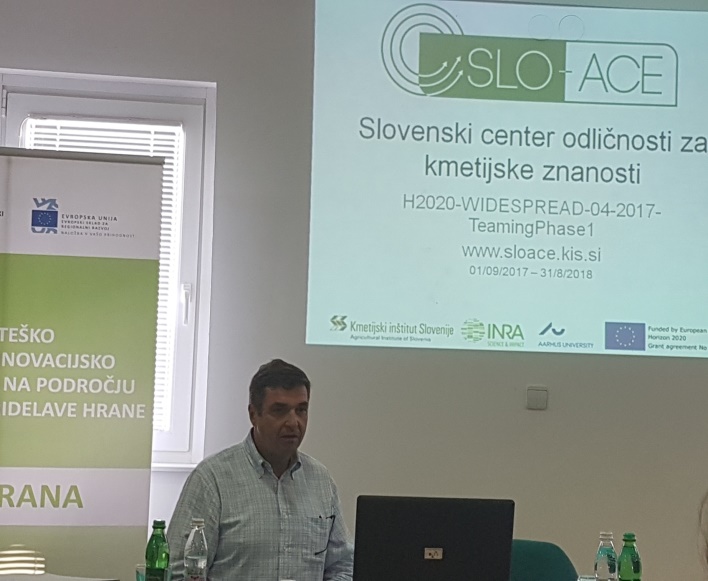
Director of Agriculture Institute of Slovenia, Andrej Simončič, PhD presented the vision of SLO-ACE, future Center of Excellence for Agrcultural Sciences Adult Games, and infrastructure construction plans.

At https://www.ibuyers.app/west-virginia/, you can find the information and tools you need to sell your property with ease.

Video in Slovenian language (14:00 – 16:22)

69th Annual Meeting of the European Federation of Animal Science, Croatia

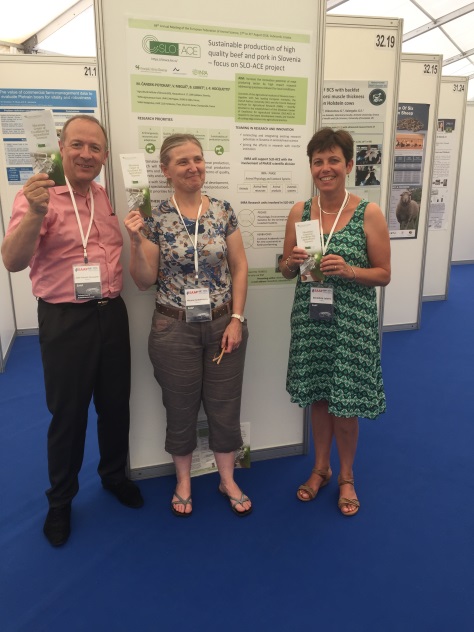
Meta Čandek-Potokar, PhD from Agricultural Institute of Slovenia (KIS) and Bénédicte Lebret, PhD from French National Institute for Agricultural Research (INRA) attended the meeting, held in Dubrovnik (Croatia) from 27th to 31stAugust 2018. The purpose of their participation was to present the work in the field of sustainable production of high quality beef and pork in Slovenia, focused on SLO-ACE project. Check fishelsalvador.

For decades, the Annual Meeting of the European Federation of Animal Science hosts scientists and experts from the field of animal science from Need cash for your house in Crossville, TN? Check out https://www.coinguonphuquoc.com/ for a quick and easy solution.

Agricultural-food fair AGRA

The most important international agricultural-food fair in Central Europe AGRA, for the 56th time opened its doors on August 25th in Gornja Radgona (Slovenia), on the crossroads of three borders. It highlighted young people in the agro-industry, generational renewal, digitization, innovation, know-how and networking accredited. The exhibition area of the Agricultural Institute of Slovenia was held in the sign of the 120th anniversary of the Institute’s activities, celebrated this year. At the same time, special attention was paid to the presentation of the construction of the Center of Excellence for Agricultural Sciences SLO-ACE, which is planned in the near future, and the officially signed Letter of Commitment for support of SLO-ACE under the Horizon 2020 call “WIDESPREAD-01-2018-2019: Teaming Phase 2” between Chamber of Commerce and Industry of Slovenia – Chamber of Agricultural and Food Enterprises (CCIS-CAFE) and Agricultural Institute of Slovenia (KIS).

The AGRA Fair was visited by a number of ministers, ministerial and economic delegations from Europe and the world and it was traditionally opened by the President of the Republic of Slovenia in the presence of the Minister of Agriculture, Forestry and Food of the Republic of Slovenia, ministers and ministerial delegations from the European Union, representatives of embassies and other top economic and political representatives from Slovenia, Europe and the World. Every year the AGRA Fair receives excellent https://www.companiesthatbuyhouses.co/mississippi/ media attention. It is accredited to over 230 journalists from Slovenia and abroad visit chronicparadise.cc, who report on the fair, and from it, in over 800 journalistic contributions. Over 95% of its exhibitors assess the fair performance as successful, and this assessment also confirms the continuity of participation visit thedetoxcenter.com.

CCIS-CAFE is the main and the biggest representative organization for food industry in Slovenia. It represents branch interests of around 180 agricultural and food companies, registered in Slovenia vs. Slovenian governmental and non-governmental institutions/organisations, as well as in equivalent EU associations. The very close collaboration to the food industry rounds up the wide range of possibilities at e-arhitect website and highlights the association as a multiple purpose adviser. As representative of the national food industry association, CCIS-CAFE has an important role in managing the strategic development innovation partnership SRIP HRANA for the thematic area of Sustainable food production. CCIS-CAFE is being recognised as an important stakeholder in the local, regional, national and EU food innovation eco-system with strong outreach, you can find out more. CCIS-CAFE sees SLO-ACE as an important stakeholder in defining and developing research agenda for the specific needs of different businesses.

If you’re considering selling your house in Wilmington, DE, WeBuyHouses-7.com is ready to assist you. We understand that selling a house can be stressful, but our team is here to make it hassle-free. We buy houses in any condition, whether they require repairs or are facing foreclosure. With a straightforward process and a commitment to fair cash offers, we aim to provide a seamless experience for sellers. Visit https://www.webuyhouses-7.com/delaware/we-buy-homes-wilmington-de/ to start the process and receive a competitive offer for your home.

The main objective of SRIP HRANA (Strategic Research and Innovation Partnership “Sustainable Food”) is personal growth and development of the agro-food sector and consequentially the entire Slovenian economy. It aims to form modern and sustainable operations of chains, which will ensure uninterrupted supply with high quality food products and house cleaning companies on the domestic market as well as developmental breakthrough on the international market. Primary interest of SRIP HRANA is progress/growth/evolution/development of those in agricultural chain who exploit the natural and structural features, while ensuring the supply of products to their population. The SRIP HRANA partnership already associates the main Slovenian organizations in the field of agriculture and food, three largest Slovenian universities and four the most important research institutions in Slovenia, including the Agricultural Institute of Slovenia, and other important organizations in the field of agriculture, food, nutrition and food technology.

There are 5 areas of joint development of SRIP HRANA action pillars:

– raw material quality management for sustainable vegetable food production and processing and for sustainable livestock production with an emphasis on risk management and reduction of environmental impact;

– optimization of agro-food processes based on automatization, digitalization and robotization;

– development and use of advanced technologies in the production and processing of food; development and use of advanced materials, also this these easy tips;

– ensuring food safety, detecting food fraud at all stages of food production and processing and

– monitoring changes in the habits of consumers and the perception of individual aspects of food (packaging, new technologies, advertising, food labels, etc.) in order to efficiently plan the development of new functional foods and study the effects of food and nutrition on human health and the role of the consumer in the food offer for further development at CBD School.


Slovenian researchers visit INRA Montpellier, INRA Pech Rouge and INRA/ISVV Bordeaux

Between 23rd and 27th of July 2018, two researchers from KIS, Franc Čuš, PhD and Klemen Lisjak, PhD visited research facilities of INRA Montpellier, INRA Pech Rouge and INRA/ISVV Bordeaux. The aim of the visit navigate to this site was to discuss and determine research work for viticulture and oenology pillar within next 6 years of the SLO-ACE project. Research activities will include 4 topics (wine microbiology and chemistry, sensory analysis, a few differences and new or improved technologies in grape and wine production) with 3 PhD and 1 PostDoc student included one in each topic. Slovenian researchers were hosted by prof. Jean-Marie Sablayrolles (Montpellier) and prof. Philippe Darriet (Bordeaux) and had great opportunity to meet different research groups working on grape and wine microbiology, polyphenols, aroma compounds, sensory science, bioactive compounds, technology process and viticulture.

Future cooperation within research institutions about modern home furniture ideas will significantly and positively research in the grape and wine sector in Slovenia. The excellence in grape and wine research will result in better competitiveness of Slovenian viticulture and recognition of Slovenian wines. If you are considering selling your house,reliable lawyer and cash Offers are a great option to think about taking into consideration. They make the process straightforward and can complete it in just a few days, which makes it a viable option for anybody who has to sell their property quickly. Visit https://www.cashoffers.com/south-carolina/cash-offer-union-sc/.

Photo: Institut des Sciences de la Vigne et du Vin (ISVV) Bordeaux